
This is how to use AI to plan a date someone will actually enjoy
"We should do something Saturday" doesn’t have to end in dinner-and-a-movie autopilot. Describe the actual person; get an actual plan.
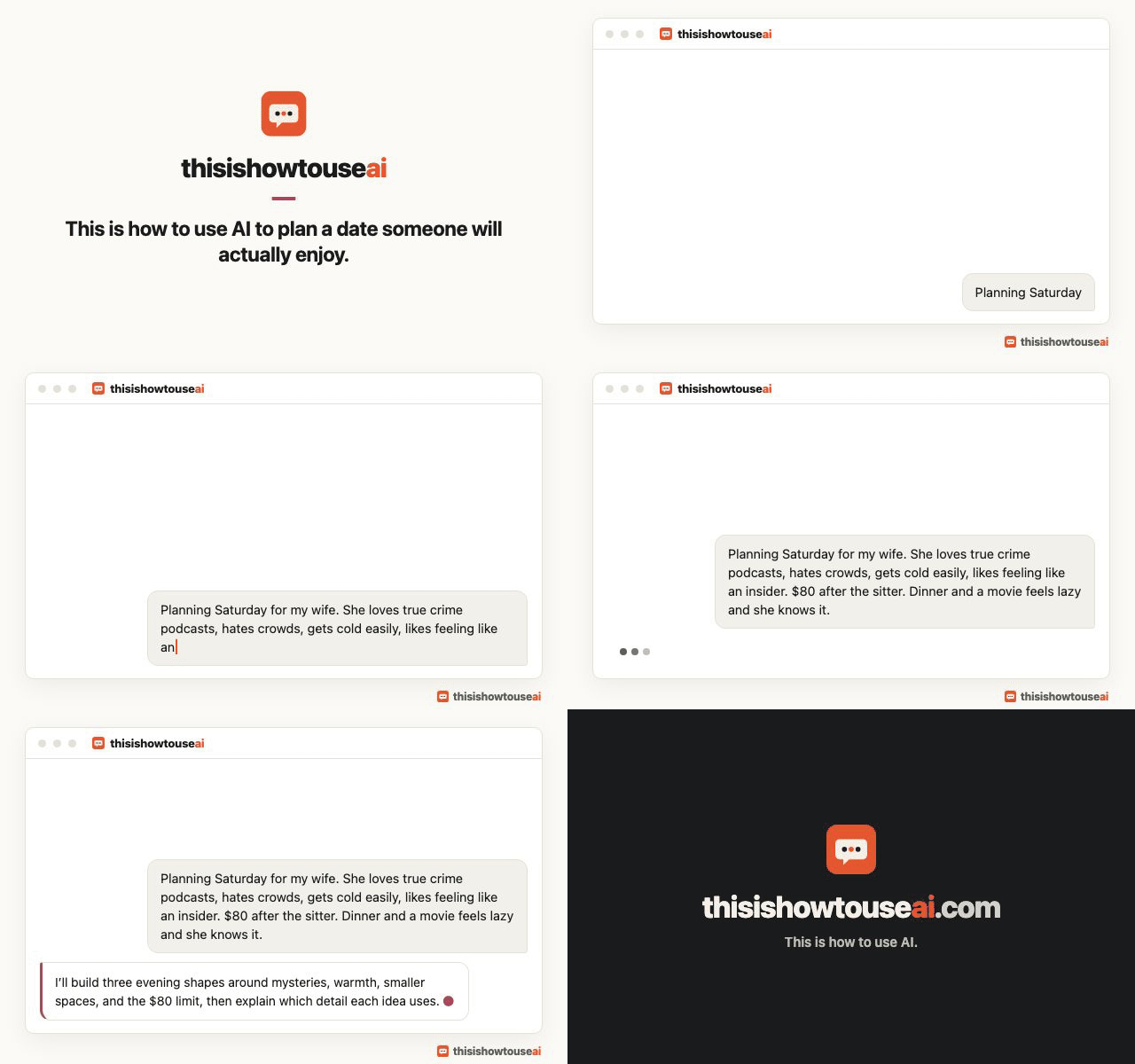
This is how to use AI to plan a date someone will actually enjoy.
"We should do something Saturday." Great. And then the machinery of habit produces the same output it always produces: dinner at the place we like, maybe a movie, home by ten, pleasant and instantly forgotten.
The problem isn’t effort. It’s that planning something genuinely fitted to a person is a design problem, and by Thursday nobody has design energy left.
The move
Describe the actual person, not the generic concept of a date. Tastes, energy level, small physical realities, the real budget. Use only what the plan needs; leave out names, addresses, private schedules, and intimate details that are not yours to share.
Copy this prompt:
Help me plan Saturday evening for my wife. The real picture:
- She’s deep into true crime podcasts and mystery novels
- Hates crowds; a packed venue ruins her night
- Gets cold easily, even in summer
- Loves feeling like an insider, small rooms, back tables
- We have about $80 after the sitter, in a mid-size city
- Dinner and a movie feels like autopilot and she knows it
Give me 3 evening shapes that fit HER specifically, with a rough budget for each, and tell me why each one matches what I told you. Skip anything generic enough to work for anybody.
Swap the details for your own situation. The structure is the part that matters.
Level up the ask:
One more move before you send it. Ask this first:
Rewrite my prompt above into a version that will get me a better result. Tell me what you changed and why, then answer the improved version.
Why this works
- "Skip anything generic" is the key line. It forbids the candlelit-dinner template and forces the plan to use what you actually said.
- Constraints make it better, not worse. The $80, the cold, the crowds: every one of those eliminated wrong answers and shaped right ones, like a puzzle mystery-dinner at home versus a loud event downtown.
- It plans the seams. The part everyone forgets: what happens between the two parts of the night, so the evening flows instead of stalling in the car deciding.
What this isn’t
The AI plans the evening; it doesn’t know the person. You do. Treat its three options as a first draft from a thoughtful friend, keep the one that made you think "she would love that," and change whatever rings false. If nothing rings true, your description was too polite; write what they’re actually like and run it again.
The date that lands isn’t the expensive one. It’s the one that proves you were paying attention. This just turns paying attention into a plan.
- Share only: Broad interests, energy level, accessibility needs they have chosen to share, a rounded budget, and a general area; identity and private history are unnecessary.
- Verify: Current hours, prices, availability, accessibility, reservation terms, and whether the final plan actually fits the person you know.
This is how to use AI.