
This is how to use AI to translate menus, signs, and conversations while traveling
The menu has no photos, the waiter is waiting, and Google Translate gives you words without meaning. Your camera can do better now.
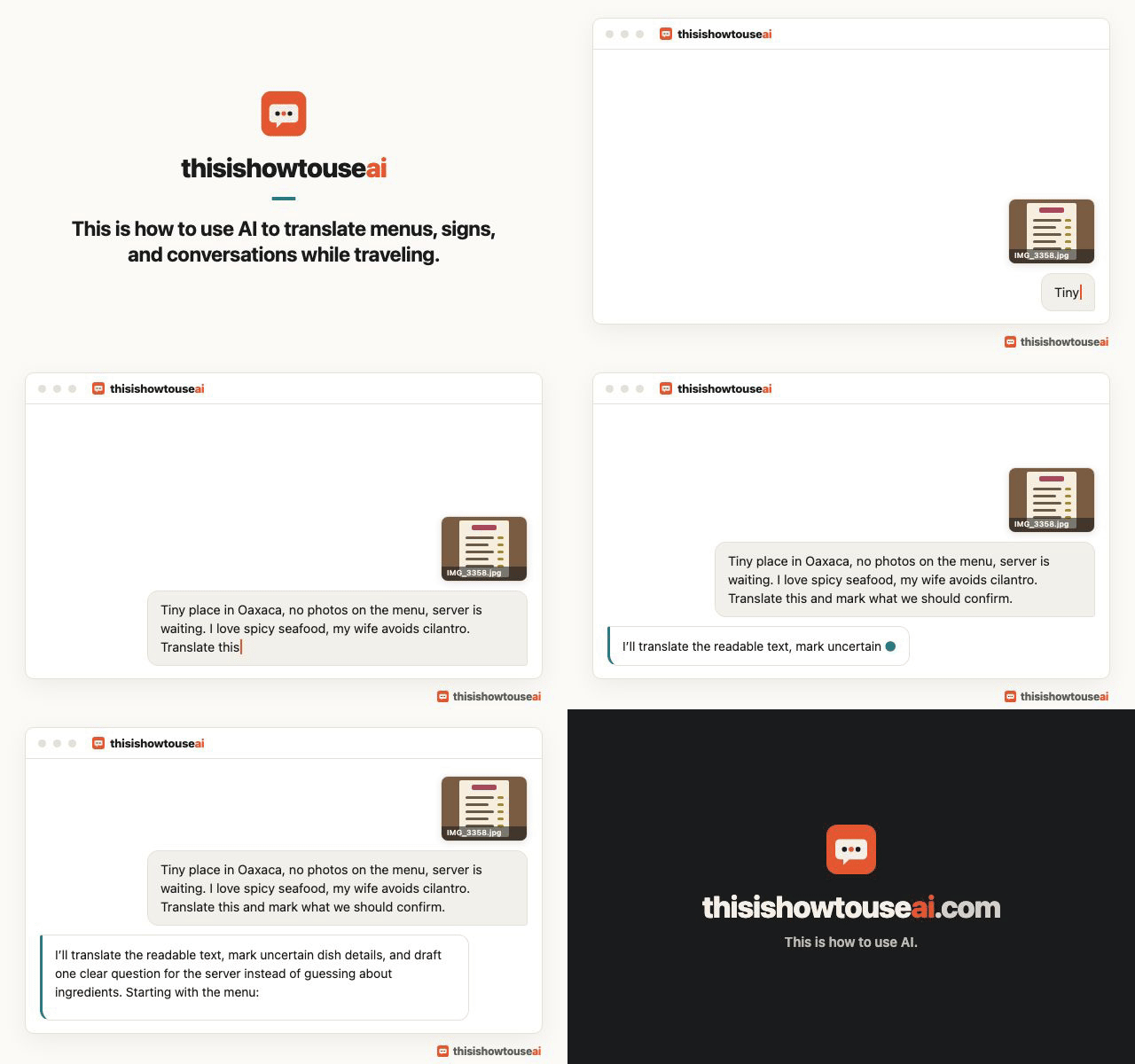
This is how to use AI to translate menus, signs, and conversations while traveling.
A tiny place in Oaxaca, six tables, no photos on the menu, and a server waiting while you squint at words you half know. A literal translation can turn one dish into "returned beans" and still tell you nothing about whether you would enjoy it.
Translation was never the real problem. Meaning is the problem. "Tlayuda" translated is still just a word; what you need to know is that it’s the size of the table and meant to be shared.
The move
Photograph the menu and tell the AI who’s eating, the same way you’d brief a local friend:
Copy this prompt:
Here is a photo of the menu at a small place in Oaxaca.
Us: I love spicy seafood and will try anything once. My wife avoids cilantro and does not eat organ meats.
1. Translate the dishes and describe the main ingredients and preparation when you are confident. Mark anything uncertain.
2. Suggest three options that fit our preferences and explain why.
3. Point out anything that may contain cilantro or organ meat, but do not decide it is safe for an allergy.
4. Tell me which customs or dish details I should confirm with the server instead of guessing.
5. Give me one polite sentence in Spanish asking the server what they recommend for us.
Swap the details for your own situation. The structure is the part that matters.
Level up the ask:
One more move before you send it. Ask this first:
Rewrite my prompt above into a version that will get me a better result. Tell me what you changed and why, then answer the improved version.
Why this beats the translate app
- It answers the real question. Not "what do these words mean" but "will I be happy when the plate arrives."
- It can add context. Shared versus individual, likely ingredients, and a question to ask the server. Treat local customs as something to confirm, not a fact the model automatically knows.
- It works on more than menus. Parking signs, train ticket machines, and pharmacy labels can all be translated, but legal restrictions and medication instructions still need an official or professional source.
One honest caveat
For allergies, treat the AI read as a first screen. The kitchen is the authority on ingredients and cross-contact. Have AI draft the allergy question in the local language, then show it to the server and confirm that the meaning survived the translation. Parking, border, medication, and safety instructions deserve the same rule: the sign, official, or qualified professional wins.
The magic is not pretending the chatbot is local. It is arriving at the human conversation with a clearer question.
- Share only: The menu or sign in a tight frame plus broad food preferences; no passport, ticket, account, face, private conversation, or precise live-location detail is needed.
- Verify: Ingredients and cross-contact with the kitchen, the translated question with the person receiving it, and legal, medication, or safety instructions at the official source.
This is how to use AI.