
This is how to use AI before your doctor’s appointment
The average appointment is 15 minutes. Here’s how to walk in with the right questions instead of remembering them in the parking lot.
This is how to use AI before your doctor’s appointment.
The average primary care visit is about fifteen minutes. Mine usually goes like this: I spend three of them trying to remember when the thing started, five nodding, and then I’m in the parking lot remembering the two questions I actually came to ask.
AI doesn’t replace the doctor. It fixes the part before the doctor: turning your scattered, half-remembered symptoms into something organized enough to use those fifteen minutes well.
The move
A few days before the appointment, brain-dump everything into the chat. Don’t organize it; that’s the AI’s job. When it started, what makes it better or worse, what you’ve tried, medications you take, what you’re worried it might be, even the stuff that feels irrelevant.
Copy this prompt:
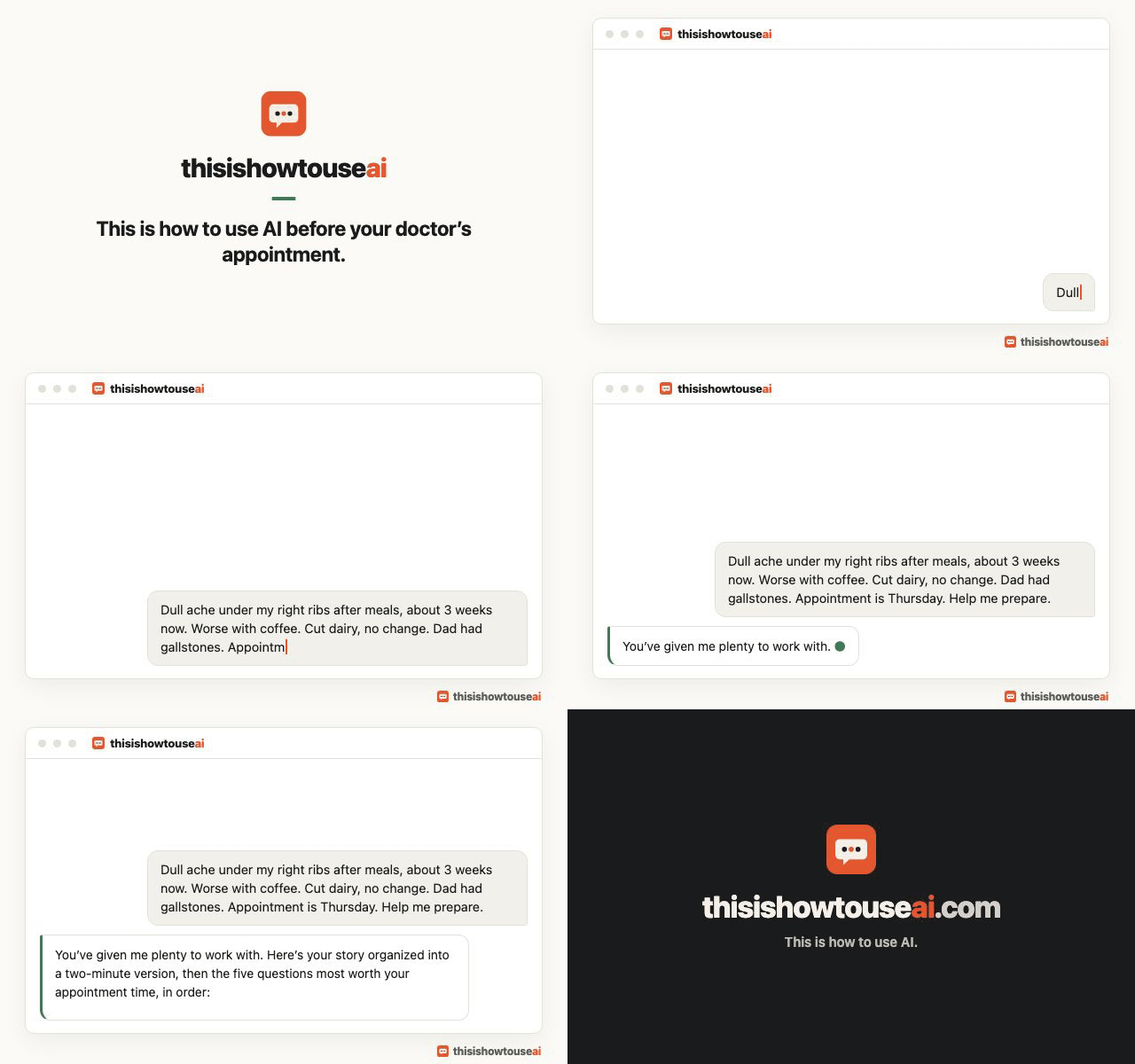
I have a doctor’s appointment in 3 days. Here’s everything, unorganized: dull ache under my right ribs after meals for about 3 weeks, worse with coffee, cutting dairy changed nothing, dad had gallstones, and I keep googling it at night.
Help me prepare:
1. Organize this into a clear timeline and symptom summary I can say out loud in under 2 minutes.
2. List the 5 most useful questions to ask, ordered by importance.
3. What details am I missing that a doctor would probably ask about?
4. What should I write down during the appointment?
Swap the details for your own situation. The structure is the part that matters.
That third question is the sleeper hit. Mine came back with “Have you noted whether it correlates with meals?” It did, I’d just never noticed, and that detail changed the direction of the whole appointment.
What you walk in with
- A two-minute version of your story that doesn’t wander
- Questions ranked so the important ones happen even if time runs out
- The details you’d otherwise remember at 9pm
Doctors notice, and appointments go differently when they do. You’re not challenging their expertise; you’re giving them better raw material to apply it to.
The line that matters
Use AI to prepare for medical conversations, not to replace them. Don’t let a chatbot talk you out of getting something checked, and don’t let it diagnose you in the waiting room. Its job is to make you the most organized patient your doctor sees that day. The diagnosis stays with the person who went to medical school.
And after the visit? Paste in your notes and ask it to translate what the doctor said into plain English and a follow-up checklist. That’s a whole post of its own.
This is how to use AI.