
This is how to use AI to host a dinner party, part 1: shape a night people can enjoy
Choose the shape of the evening before collecting recipes. Use budget, kitchen limits, timing, and broad preferences to find a menu pattern you can actually host.
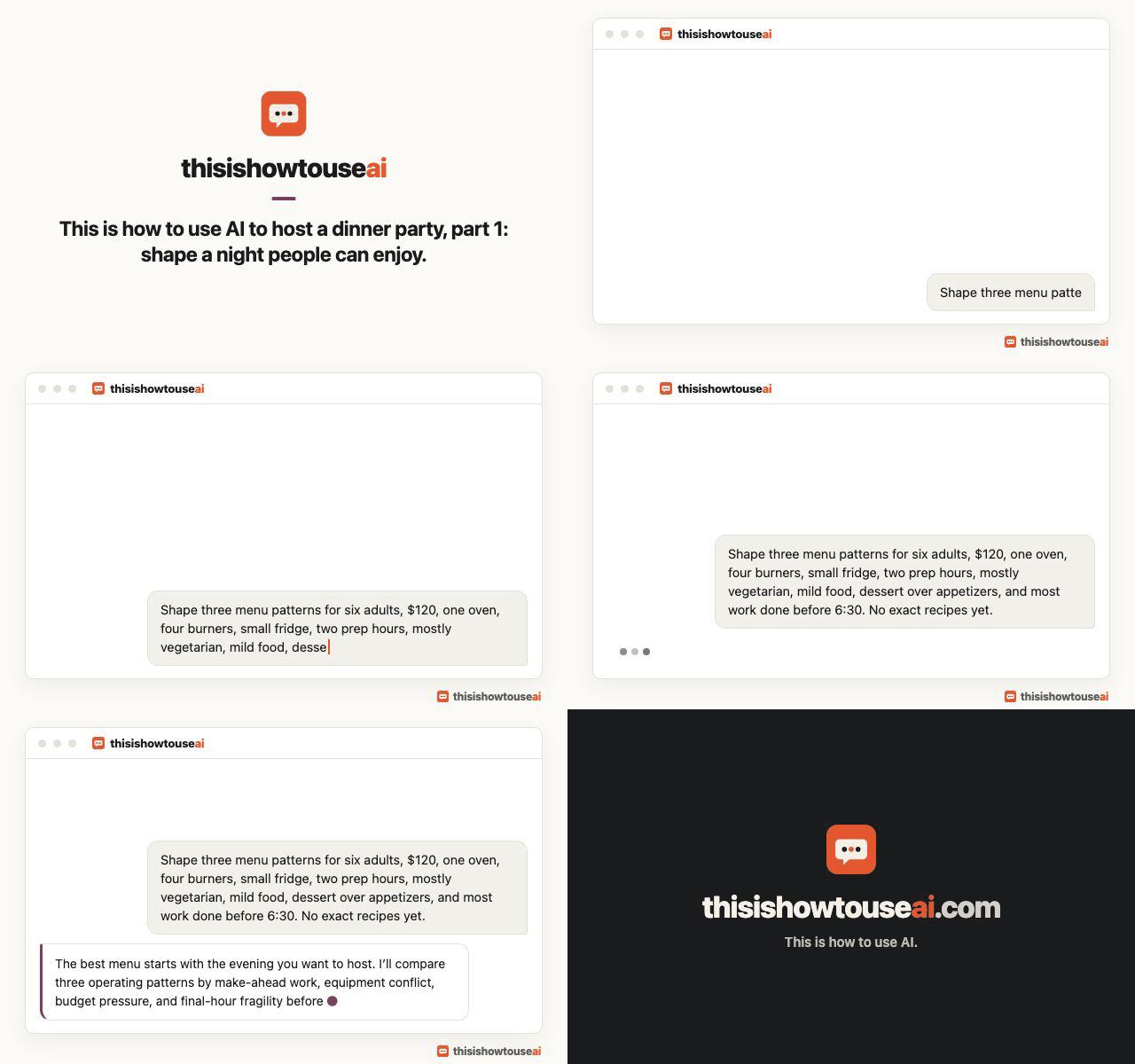
This is how to use AI to host a dinner party, part 1: shape a night people can enjoy.
A dinner party gets hard when every dish tries to be the main event. Four recipes need the oven at the same temperature, one must be finished while guests arrive, and the host spends the night facing the stove. Start with the experience and constraints, then choose a menu pattern that protects them.
Describe the night, not the guests’ private lives
The evening-shape prompt:
Help shape a dinner party for six adults with a $120 food budget. I have one standard oven, four burners, a small refrigerator, and about two hours the afternoon of the dinner. I want most food finished before guests arrive at 6:30. Broad preferences: mostly vegetarian, no very spicy food, and dessert matters more than appetizers.
Give me three menu patterns, not exact recipes. For each, show the guest experience, what can be made ahead, the equipment bottleneck, the budget pressure, and what could make the pattern fail. Keep allergen confirmation as a separate host task.
Swap in headcount, broad preferences, and kitchen limits. The experience-before-recipes structure is the part that matters.
Level up the ask:
Rewrite my dinner-party prompt so the menu protects time with guests, avoids equipment conflicts, and exposes missing dietary questions without asking for private medical detail. Tell me what you changed and why, then answer the improved version.
Choose the operating pattern
One pattern might be a make-ahead baked main, crisp salad, and purchased bread. Another might use a build-your-own table with one warm component. A third may center on soup, a substantial side, and a dessert finished the day before. The dishes are not the decision yet. The pattern decides where the work happens.
Pick the pattern that leaves the final thirty minutes least fragile. A menu with three impressive items that all need last-minute attention is a poor fit even if every recipe is easy alone.
Save a clean menu brief
Record the chosen pattern, headcount, budget, equipment, serve time, make-ahead goal, broad preferences, and unresolved allergen check. That becomes the input for recipes, shopping, and timing. Keep names, addresses, and private guest information elsewhere.
The first part ends when the evening has a shape you can run, not when the internet has given you more recipes than you can cook.
- Share only: Headcount, rounded budget, kitchen limits, broad preferences, and timing; exclude names, addresses, private guest stories, and medical details.
- Verify: Allergens directly with guests, ingredients on current package labels, food safety with authoritative guidance, and recipe timing through the actual recipes and equipment.
This is how to use AI.