
This is how to use AI to plan a road trip, part 1: build the route around the people
A road trip is not a line between cities. Shape the route around driving tolerance, interests, accessibility, budget, and the people sharing the car.
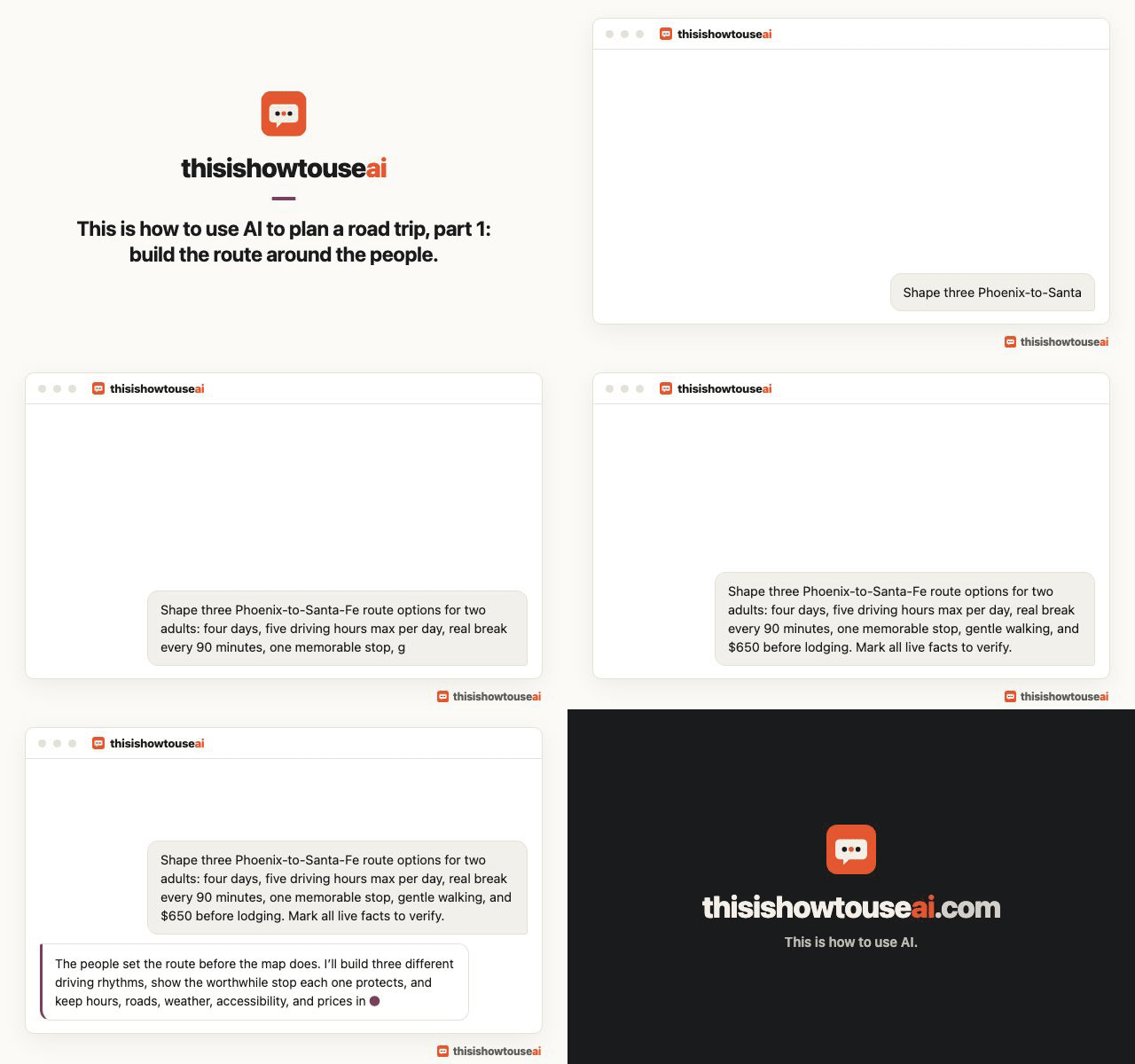
This is how to use AI to plan a road trip, part 1: build the route around the people.
A route can be efficient and still make everyone miserable. One person is comfortable with five hours of driving. Another needs a real stop every ninety minutes. One wants landscapes; another would trade scenery for one excellent museum. Before choosing hotels or restaurants, use AI to find the shape of the trip that fits the people in the car.
Describe the travelers before the road
The route-shape prompt:
Help shape a four-day road trip from Phoenix to Santa Fe and back for two adults. We want no more than five hours of driving on any day, prefer a real break about every ninety minutes, and would rather have one memorable stop than five quick stops. Interests: desert landscapes, local history, and one excellent meal. One traveler avoids long steep walks. Rounded budget before lodging: $650 for fuel, food, and activities.
Give me three route shapes, not a finished itinerary. For each, show the driving rhythm, the kind of worthwhile stop it makes possible, the tradeoff, and the current facts that must be checked. Do not invent hours, closures, prices, accessibility, road conditions, or availability.
Swap in public cities and harmless constraints for your trip. The people-first route shape is the part that matters.
Level up the ask:
Rewrite my road-trip prompt so it exposes any traveler need or route constraint that could materially change the plan. Tell me what you changed and why, then answer the improved version.
Choose a shape, not a pile of stops
One route may protect the five-hour ceiling and leave room for a longer stop. Another may trade a longer first day for a slower return. A third may use the same roads but move the memorable stop to match weather or opening hours. Compare the rhythm and sacrifice attached to each shape.
Reject any answer that fills the route with places merely because they are nearby. Ask which stop would still be worth the interruption if the group could choose only one.
Create the handoff for the checkable plan
Once you choose a shape, save a short route brief: origin and destination, broad window, daily driving ceiling, break rhythm, chosen stop type, mobility boundary, budget, and the facts still unknown. That brief is the input for the next part. Keep bookings and exact lodging details outside it.
You now have something better than an itinerary generated too early: a route logic that can survive changing hours, weather, and availability.
- Share only: Public cities, a broad travel window, pace, rounded budget, vehicle range, and harmless preferences; exclude booking codes, precise identity-linked dates, plate numbers, and lodging addresses.
- Verify: Drive times, road conditions, closures, weather, fuel and charging, accessibility, hours, reservations, and admission with maps, transportation agencies, venues, and weather authorities.
This is how to use AI.