
This is how to use AI while standing in the grocery store
Two nearly identical products, one costs 40% more, and the labels are designed to confuse you. Photograph both. Ask one question.
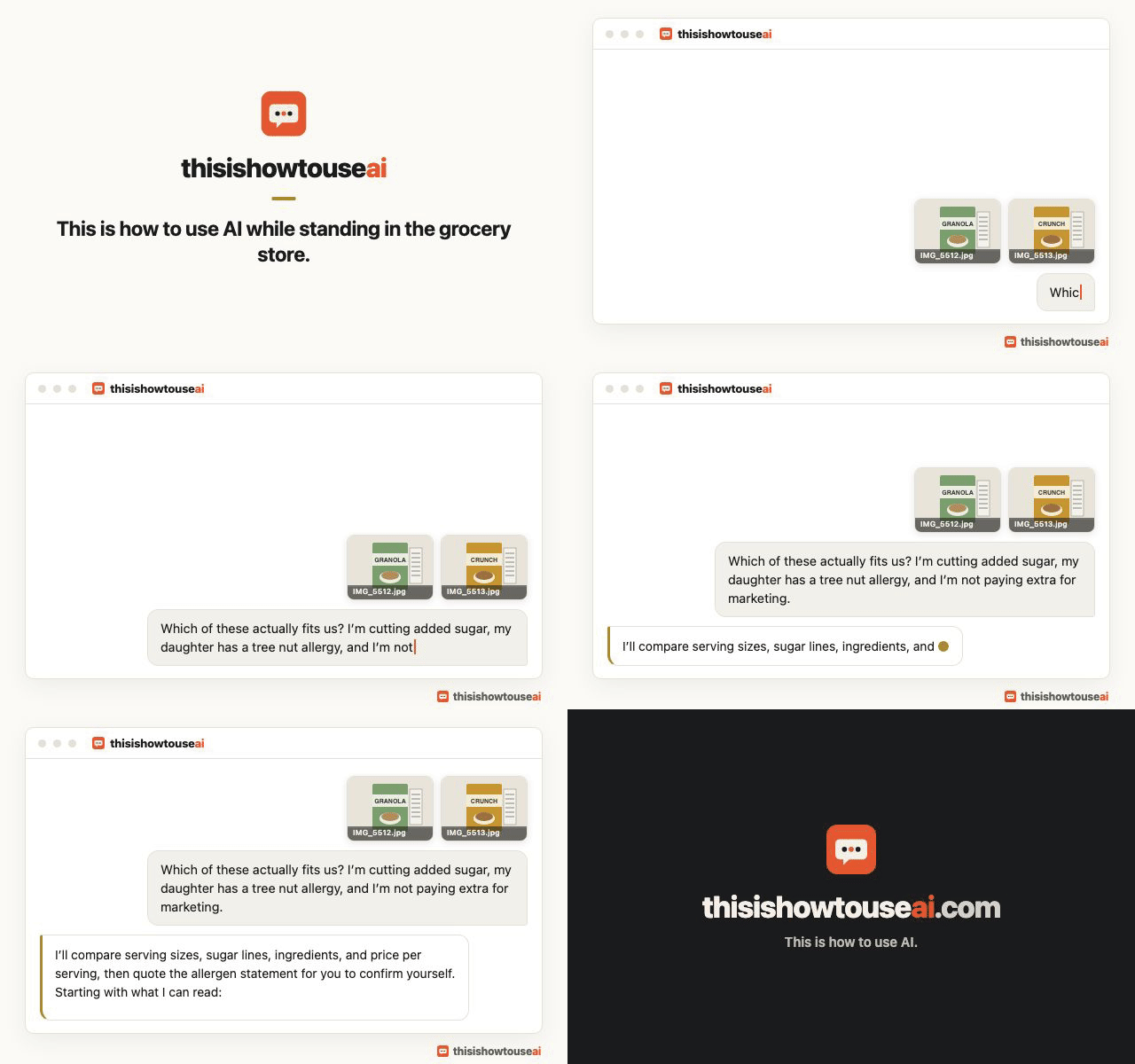
This is how to use AI while standing in the grocery store.
Aisle six. Two granola brands. One says “all natural, whole grain goodness.” The other says “no added sugar, high protein.” One costs 40% more. You have eleven seconds of patience and a kid pulling on the cart.
Food labels are written by people whose job is to make this comparison hard. So stop comparing labels. Photograph them.
The move
Take one photo of each product; make sure the nutrition panel and ingredients list are readable. Then ask a question that includes your situation, because “which is healthier” is exactly the vague question labels are designed to exploit:
Copy this prompt:
Here are photos of two granolas I’m choosing between.
My situation: I’m trying to cut added sugar, my daughter has a tree nut allergy, and I don’t want to overpay for marketing.
1. Compare the nutrition panels and ingredient lists for my goals, not the front-of-box claims.
2. Explain what each marketing phrase appears to mean, and flag anything that needs a current official definition.
3. Point out the allergen statements so I can confirm them myself. Do not decide that either product is safe.
4. Compare the price per serving using only the package numbers you can read. Tell me if any number is unclear.
Swap the details for your own situation. The structure is the part that matters.
Level up the ask:
One more move before you send it. Ask this first:
Rewrite my prompt above into a version that will get me a better result. Tell me what you changed and why, then answer the improved version.
What to look for
A useful answer separates total sugar from added sugar, compares serving sizes before comparing numbers, quotes the allergen line it can actually read, and admits when a photo is blurry. It should not guess that a store brand is identical or turn a marketing phrase into a legal conclusion without a current source.
Eleven seconds of patience, honored. The photo trick works anywhere labels are doing the arguing: supplements, skincare, dog food, cleaning products.
One honest caveat
For serious allergies, the AI read is a first screen, not the final word. Confirm the allergen statement with your own eyes and follow the guidance from your clinician. When anything is unclear, the current package and manufacturer are the sources to check. For regulated marketing terms, use the current government definition rather than the chatbot’s memory.
This is the kind of thing that changes how you shop without changing where you shop.
- Share only: A tight photo of the product packaging, nutrition panel, ingredients, and displayed price; keep people, receipts, loyalty details, and prescription labels out of frame.
- Verify: Allergen and ingredient statements on the current package, unclear details with the manufacturer, and serious allergy decisions with your clinician.
This is how to use AI.