
This is how to use AI to build a hydration routine that fits your day
Generic reminders disappear. Attach ordinary drink cues to moments already in your day, while medical targets stay with responsible guidance.
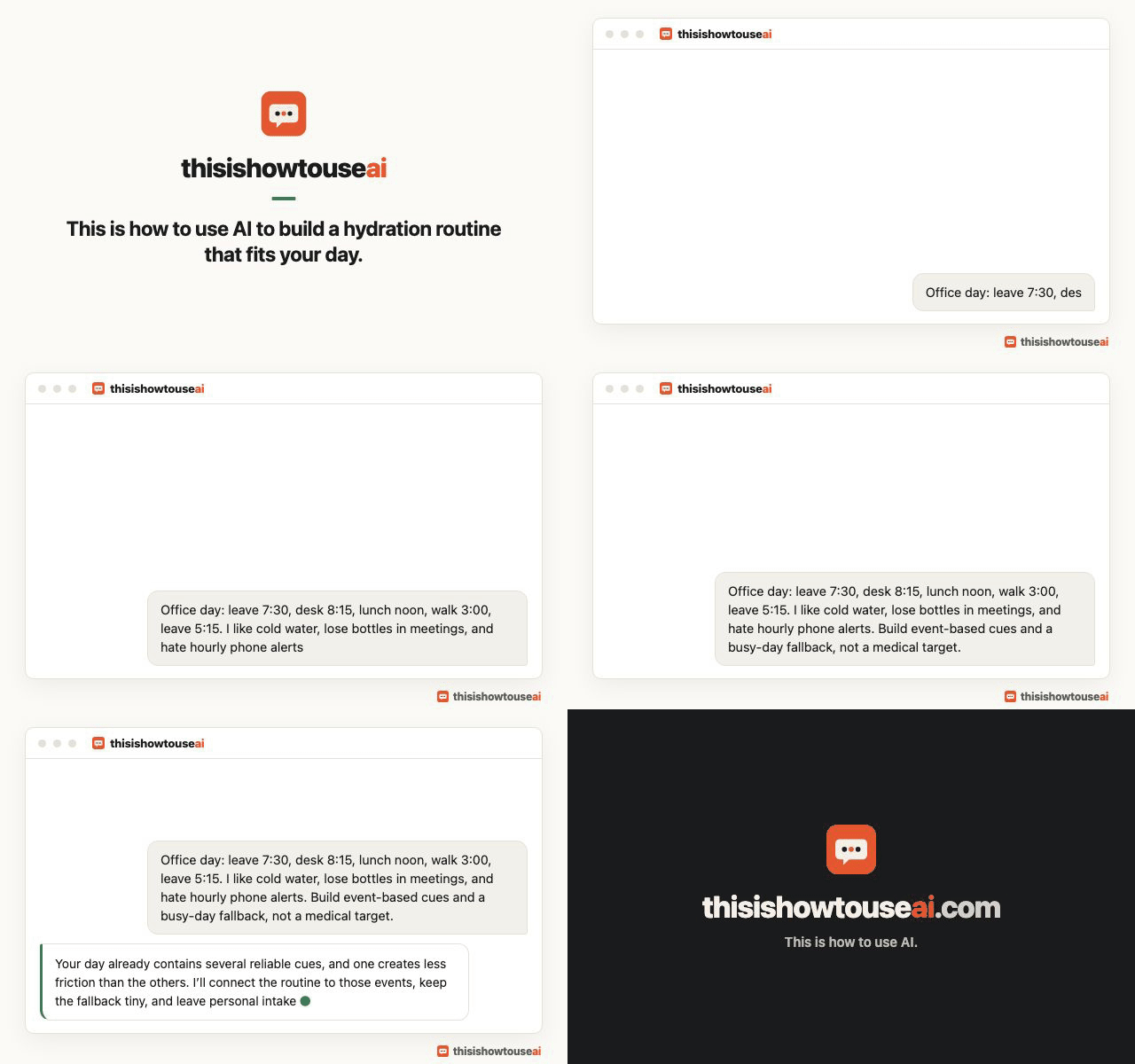
This is how to use AI to build a hydration routine that fits your day.
A reminder that says drink water at 2:17 is easy to swipe away because nothing in the moment supports it. A routine works better when the cue already exists: arriving at work, starting lunch, returning from a walk, or putting the kettle on.
Describe the shape of an ordinary day without adding health history. AI can help place cues and reduce friction. It should not decide how much a particular person medically needs or turn thirst, fatigue, or other symptoms into a diagnosis.
The routine prompt:
Help me build a simple hydration cue routine for an ordinary office day. I leave home at 7:30, reach my desk at 8:15, eat lunch around noon, take a short walk at 3:00, and leave at 5:15. I like cold water, forget bottles in meeting rooms, and do not want phone alerts every hour.
Create two routine shapes using events already in the day. Include one tiny fallback for meeting-heavy days. Do not set a medical intake target or interpret symptoms.
Swap in harmless schedule anchors and preferences. The cue-already-exists structure is the part that matters.
Level up the ask:
One more move before you send it. Ask this first:
Rewrite my prompt above into a version that will get me a better result. Tell me what you changed and why, then answer the improved version.
Make the environment remember
A useful answer may place a filled bottle beside the keys, connect the first desk arrival with a refill, or make lunch the reset point. The goal is fewer decisions. Ask the chat to find the cue with the lowest chance of being interrupted and the fallback that takes almost no planning.
- Anchor: Attach the action to an event that already happens most days.
- Reduce friction: Choose the bottle location, refill point, or preferred temperature that makes the cue easier.
- Use a fallback: Define a smaller version for days when the normal routine breaks.
Keep health targets outside the routine tool
Personal fluid needs can change with health conditions, medication, heat, exertion, and professional advice. If any of those matter, use the routine only after confirming the appropriate boundary with a responsible health source.
You finish with ordinary cues you can try tomorrow, not a dashboard that asks you to monitor your body through a chatbot.
- Share only: Harmless schedule anchors, drink preferences, and ordinary access constraints; exclude symptoms, diagnoses, medications, medical history, and health records.
- Verify: Any personal intake target, fluid restriction, symptom, or health concern with a clinician or other authoritative health guidance that applies to you.
This is how to use AI.