
This is how to use AI to build a vocabulary practice loop
Turn a short word list into contrast, retrieval, and original-sentence practice so definitions become language you can actually use.
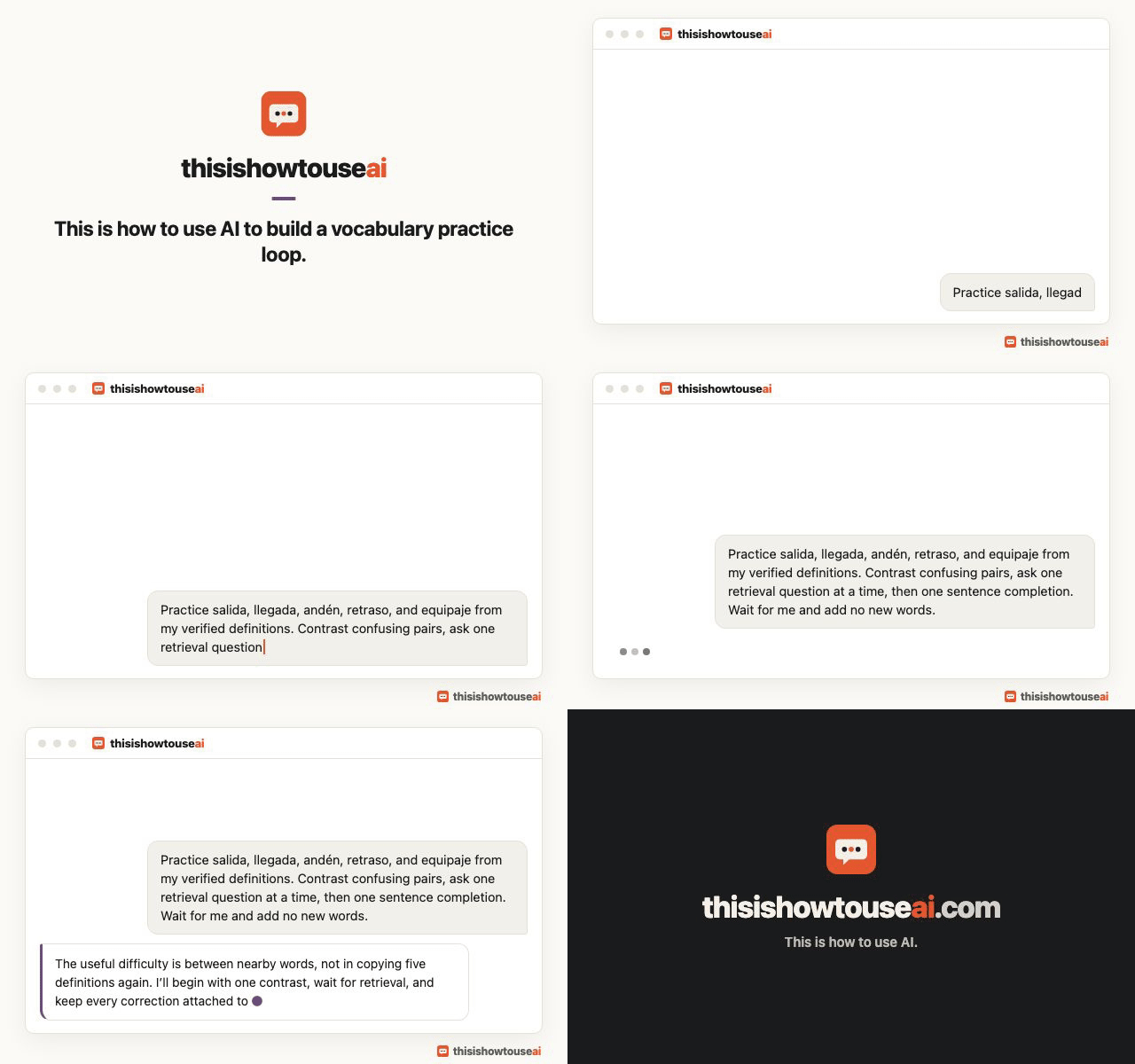
This is how to use AI to build a vocabulary practice loop.
Copying a definition creates a neat page and very little retrieval. A word becomes usable when you can distinguish it from a nearby word, recognize it in context, and produce a sentence that fits the situation.
Choose five to eight words, not fifty. Supply a reputable definition or ask the chat to mark every definition for dictionary verification. Make it ask one question at a time so you answer before seeing the correction.
The vocabulary prompt:
Help me practice these five Spanish travel words: salida, llegada, andén, retraso, and equipaje. Use only the verified meanings I provide below. Begin by contrasting two words people could confuse. Then ask one short retrieval question at a time, followed by one realistic sentence-completion question. Wait for my answer and do not introduce new vocabulary yet.
Swap in a short verified word list. The contrast-retrieve-produce loop is the part that matters.
Level up the ask:
One more move before you send it. Ask this first:
Rewrite my prompt above into a version that will get me a better result. Tell me what you changed and why, then answer the improved version.
Practice the boundary between words
A useful loop spends less time repeating definitions and more time making choices. Why does one word fit this sign while another does not? What clue in the sentence changes the answer? The correction should point back to the supplied meaning.
- Contrast: Pair words that occupy nearby territory and name the feature that separates them.
- Retrieve: Answer from memory before the definition returns to the screen.
- Produce: Use the word in a new sentence and explain why it fits.
Let a real language source settle usage
Verify definitions, pronunciation, register, and regional use with a reputable dictionary, course source, or fluent qualified teacher. Do not learn a correction merely because the chat states it smoothly.
At the end, keep only the words you missed or used awkwardly. The next session begins with evidence, not the full list again.
- Share only: A short word list, public definitions, and ordinary learning context; exclude grades, student identifiers, assessments, private feedback, and copyrighted book dumps.
- Verify: Meaning, spelling, pronunciation, register, and usage against a reputable current dictionary, course source, or fluent qualified teacher.
This is how to use AI.