
This is how to use AI while standing in a museum
A wall label can name the object without giving you enough context to care about it. Use a tight photo and the museum’s own words to find a better way in.
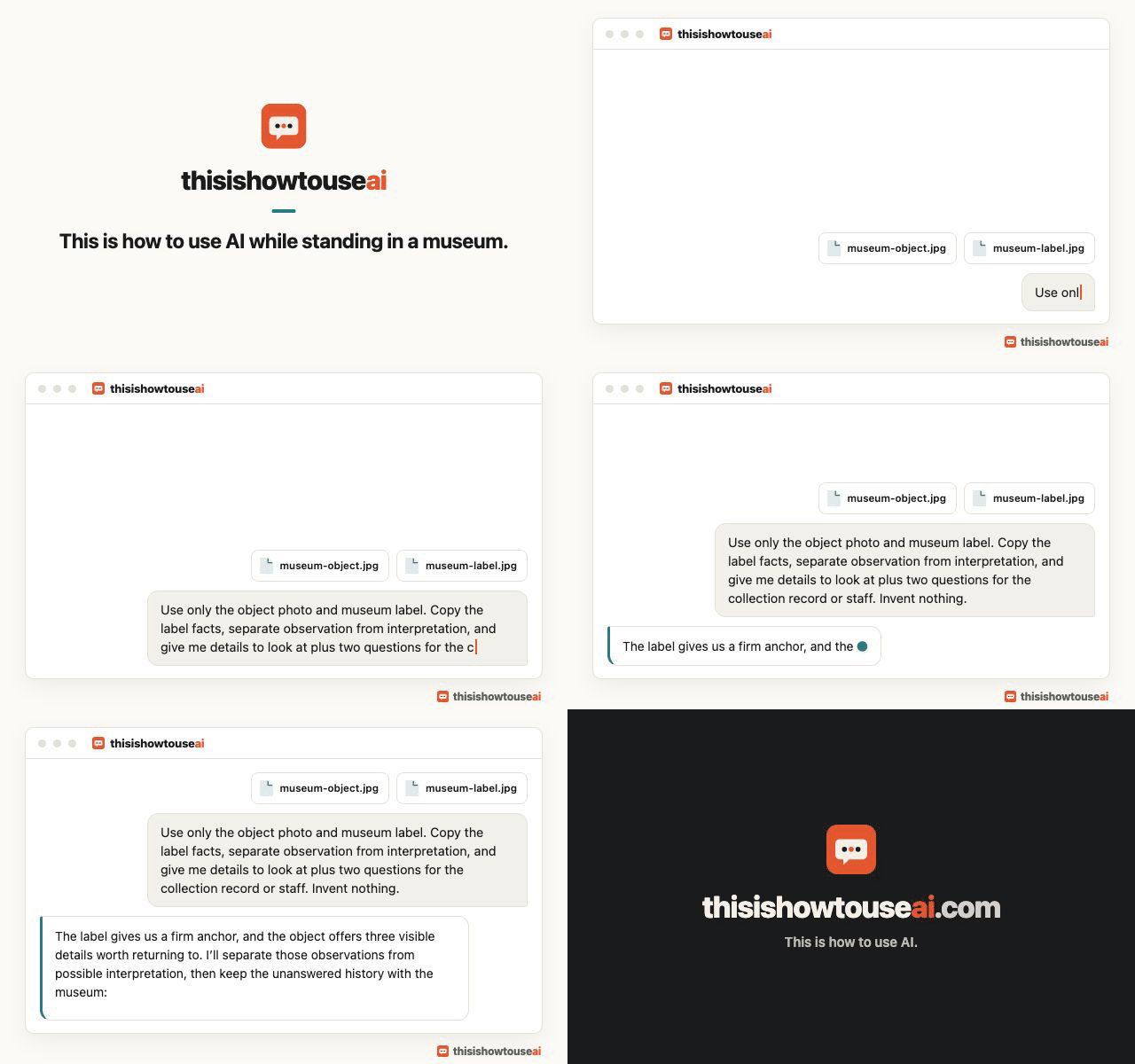
This is how to use AI while standing in a museum.
You stop in front of a small bronze figure because something about it works on you. The wall label gives you a title, an artist, a century, and three words you do not recognize. You could keep walking. Or you could turn those few official facts into the context that makes the object open up.
Use the label as the anchor
Take one tight photo of the object if museum rules allow it, then a second tight photo of the public label. Check both frames for other visitors, reflections, ticket details, and your own belongings before attaching them. The label is important because it gives the chat an accountable starting point instead of asking it to identify an artwork from appearance alone.
The gallery prompt:
I’m standing in front of a museum object and want enough context to look at it more carefully.
Use only what is visible in the object photo and the museum label. First copy the label facts you can read. Then explain three things in plain language: what details I should look at, what the label assumes I already know, and two questions worth carrying to the museum’s collection record or staff. Separate visible observation from interpretation. Do not invent provenance, symbolism, condition, or the artist’s intent.
Swap in the object and label in front of you. The label-first boundary is the part that matters.
Level up the ask:
One more move before you send it. Ask this first:
Rewrite my prompt above into a version that will get me a better result. Tell me what you changed and why, then answer the improved version.
What a useful answer changes
The answer should send your eyes back to the object. It might point out the way a figure is balanced, where a surface changes, how scale affects the feeling, or which unfamiliar term on the label deserves a definition. It should also keep interpretation in its lane. “The label identifies this as bronze” is different from “the pose may suggest movement.”
That separation lets AI act like a patient looking companion without pretending to be the curator. You get more ways to notice, while the museum keeps authority over the object’s identity and history.
Ask the question the label cannot answer
If one detail catches you, keep the follow-up narrow: “What are three possible reasons this surface was left rough, and what evidence would distinguish them?” or “Explain the term on this label at a beginner level, then tell me what I should still ask a curator.” Narrow questions create attention. Broad requests for everything about an artwork create polished fog.
The point is not to finish the museum inside a chat. It is to look longer, notice more, and know which curiosity belongs with the institution that cares for the object.
- Share only: A tight new photo of the exhibit and its public wall label after checking that no visitors, tickets, reflections, or personal belongings appear in the frame.
- Verify: Names, dates, materials, ownership history, and interpretation against the museum label, collection record, gallery staff, or another accountable museum source.
This is how to use AI.