
This is how to get a real second opinion from AI
A second answer is not independent if you tell it what the first answer concluded. Run clean passes, then compare reasoning and missing evidence.
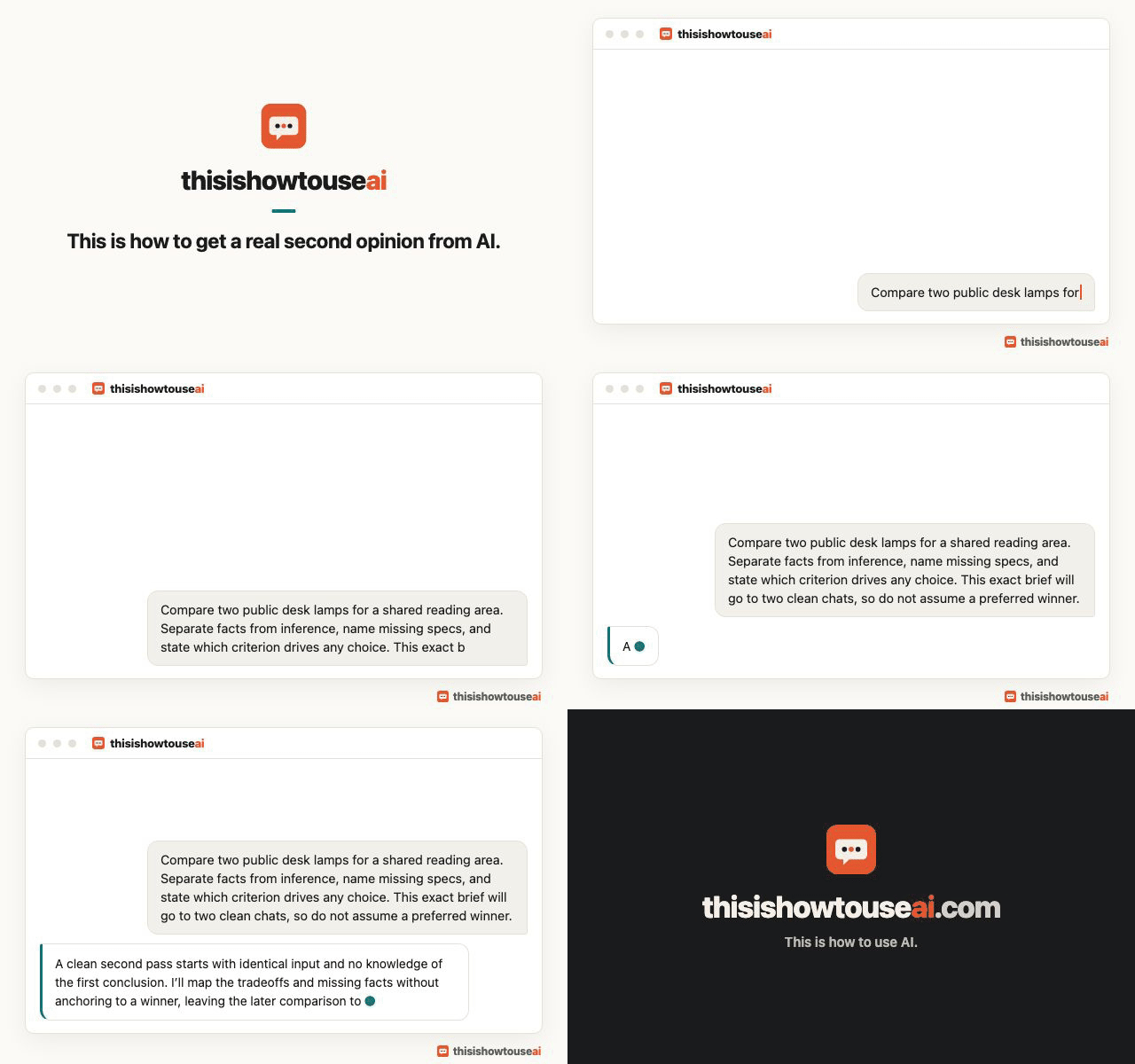
This is how to get a real second opinion from AI.
“Another AI agreed” sounds like confirmation, but it often means the second chat saw the first answer, adopted its framing, and polished the same assumptions. A useful second opinion begins before either answer knows what the other concluded.
Run two clean passes
Write one harmless brief with the facts, criteria, and boundaries both chats should receive. Open two clean chats. Give each the same brief, without mentioning the other answer or asking whether a preferred conclusion is correct.
The clean brief for both chats:
I am comparing two public desk lamps for a shared reading area. Both cost under $90. Lamp A has a focused adjustable head and a smaller base. Lamp B spreads light more widely and has a replaceable bulb, but its base is larger. My priorities are comfortable reading for two people, easy bulb replacement, stable placement on a 16-inch table, and low glare.
Analyze the tradeoffs. Separate public product facts from inference, name missing measurements or specifications, and do not choose until you state which criterion drives the choice.
Swap in your own harmless public comparison. Identical clean input is the part that matters.
Level up the ask:
Rewrite my comparison prompt so two independent chats can analyze it without being led toward my preferred option. Tell me what you changed and why. I will use the improved version in both clean chats.
Compare reasons, not winners
After both replies exist, start a third clean comparison or review them yourself. List where they agree, where they disagree, which criterion caused the disagreement, and which missing fact could resolve it. Two votes for Lamp A do not make the dimensions correct. One well-supported objection can matter more than agreement.
The comparison prompt:
Compare these two analyses without deciding which is better. Map shared facts, conflicting inferences, different value judgments, and missing evidence. For each disagreement, name the real source or observation that could resolve it. Do not settle factual disputes by counting votes.
Know when AI is not the second opinion
For health, legal rights, serious money, physical safety, and other high-stakes decisions, independent chat outputs are still outputs from tools with similar failure modes. Use them to organize questions. The real second opinion comes from an accountable professional, original evidence, or another responsible human.
The skill is not collecting more confident prose. It is creating independent reasoning paths and knowing what evidence can break the tie.
- Share only: The same harmless public brief in each clean chat; leave high-stakes records, private conversations, contracts, and confidential material outside the exercise.
- Verify: Every consequential disagreement through original documents, current first-party sources, direct observation, or an accountable professional rather than by majority vote between chats.
This is how to use AI.