
This is how to use AI to compare unit prices from a shelf photo
Package size, sale labels, and different units can hide the cheaper choice. Transcribe first, then show the normalized arithmetic.
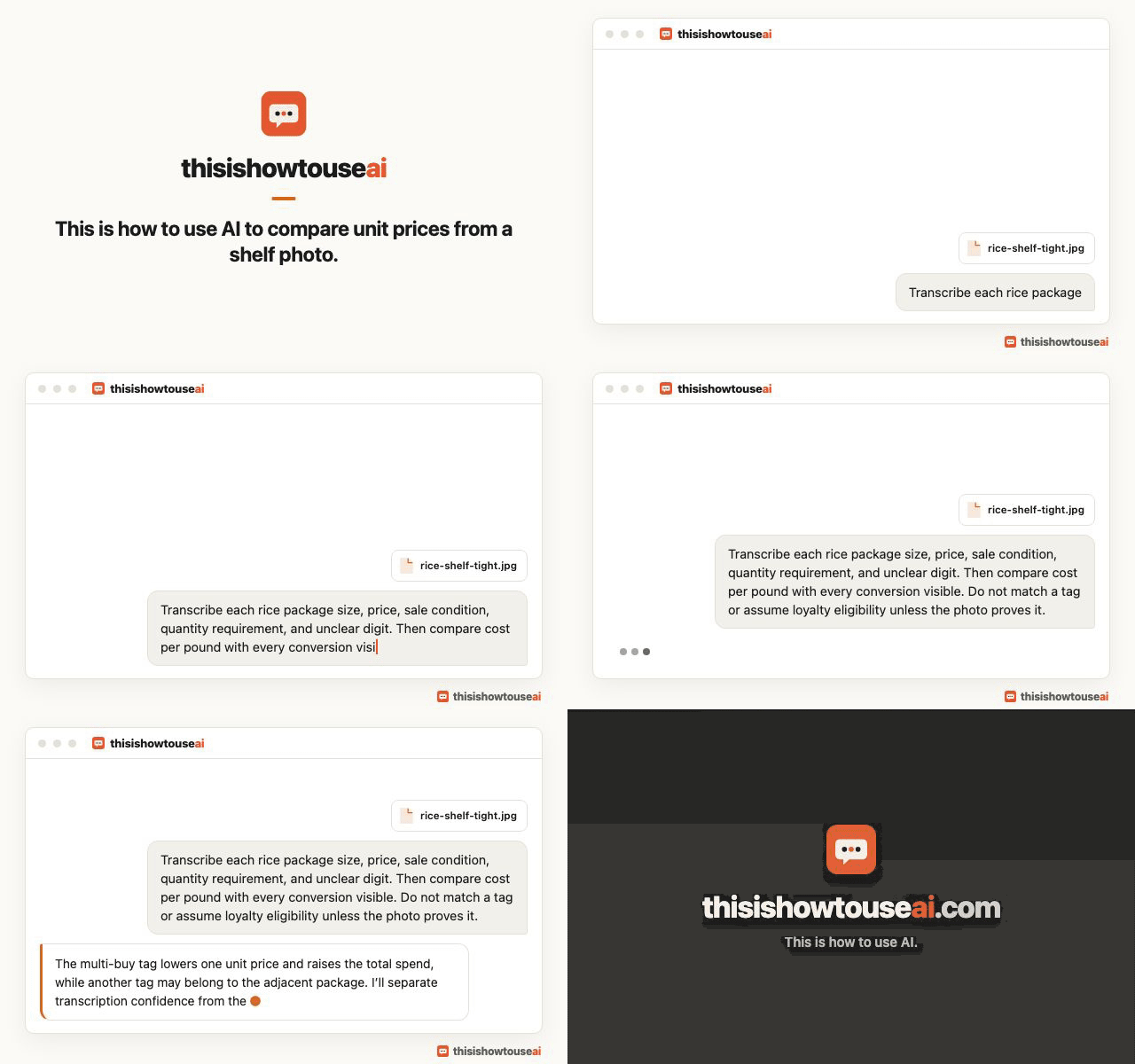
This is how to use AI to compare unit prices from a shelf photo.
One package is 18 ounces, another is 24, and the larger one has a sale tag that requires buying two. The shelf may print price per ounce for one brand and price per pound for another. The arithmetic is simple once the inputs are on the same basis.
Frame only the packages and price labels. Ask AI to transcribe each size, unit, price, and promotion before calculating. If a digit or product-label match is unclear, take another photo rather than approving a guess.
The unit-price prompt:
Read this tight shelf photo and create a transcription table for three bags of rice. Capture brand label, package size, unit, regular price, sale price, required quantity, loyalty condition, and any unclear digit. Then compare cost per pound and show every conversion and division.
Do not choose a product, assume sale eligibility, or match a price tag to a package unless the photo clearly supports it.
Swap in a tight shelf capture with private details outside the frame. The transcribe-normalize-show-work order is the part that matters.
Level up the ask:
One more move before you send it. Ask this first:
Rewrite my prompt above into a version that will get me a better result. Tell me what you changed and why, then answer the improved version.
Make the promotion part of the denominator
A useful answer should show the ordinary unit price and the promotional scenario separately. Buying two can lower unit cost and raise the amount spent, so the table should preserve both facts instead of naming a bargain.
- Transcribe: Keep each product attached to its exact package size, price tag, and promotion condition.
- Normalize: Convert ounces, pounds, counts, or volume to one shared basis with visible arithmetic.
- Qualify: Separate regular, sale, loyalty, multi-buy, coupon, and limit conditions.
Check the shelf and register
Confirm that each tag matches the exact item and that the promotion applies. Recheck the register or receipt before leaving. Quality, ingredients, allergens, and usefulness remain separate purchase questions.
AI makes the math legible in the aisle. You still decide whether the quantity, product, and total spend make sense.
- Share only: A tight new shelf photo containing products and price labels only; exclude people, faces, receipts, cards, reflections, store accounts, and location identifiers.
- Verify: Product size, unit, current price, sale dates, loyalty requirements, quantity limits, tax, and shelf-label match in the store and at checkout.
This is how to use AI.