
This is how to use AI to compare return policies before ordering
Two prices can be identical until return shipping, restocking fees, condition rules, and deadlines change the cost of being wrong.
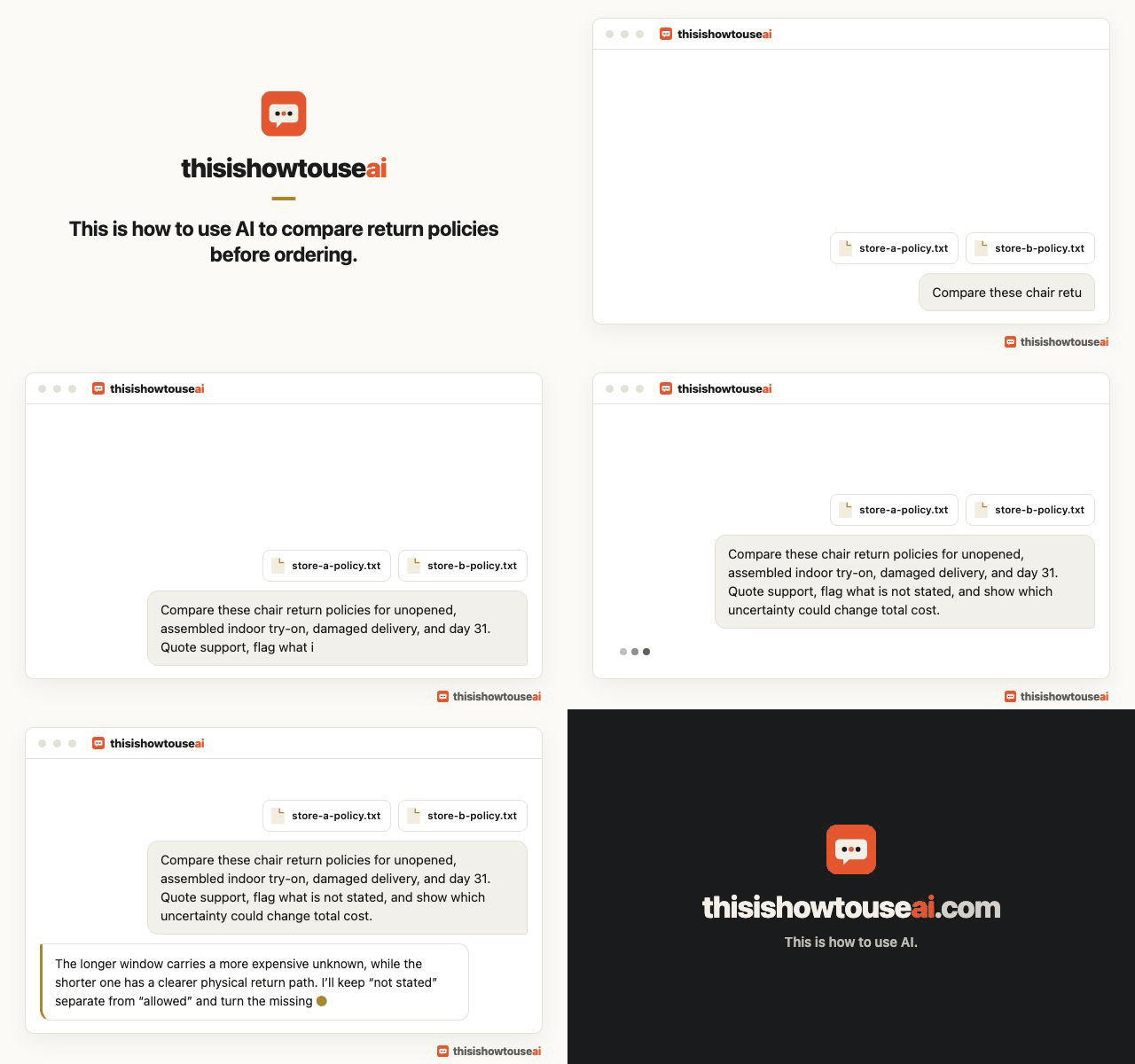
This is how to use AI to compare return policies before ordering.
A chair that costs $240 from two stores is not the same purchase if one can be returned locally and the other requires insured freight in the original box. The return policy changes the price of learning that the product does not fit.
Copy the current public policy sections before ordering. Ask AI to turn legalistic prose into scenarios without declaring rights or making a legal conclusion. The seller’s current written terms stay in charge.
The policy prompt:
Compare two public return policies for a $240 desk chair. Store A allows returns within 30 days of delivery, requires original packaging, and offers local store return. Store B allows 60 days, says the item must be “like new,” and makes the customer arrange return shipping. Neither excerpt states whether assembled furniture is accepted.
Build scenario rows for unopened, assembled indoor try-on, damaged delivery, and day 31. Quote the supporting words, flag missing terms, and show which uncertainty could change total cost.
Swap in the current policy excerpts and product type. The scenario-and-missing-term table is the part that matters.
Level up the ask:
One more move before you send it. Ask this first:
Rewrite my prompt above into a version that will get me a better result. Tell me what you changed and why, then answer the improved version.
Price the possibility of being wrong
A longer window may be less useful if return shipping is expensive or assembled products are excluded. A shorter policy may be safer when local return is clear. Ask AI to keep “not stated” separate from “allowed.”
- Start the clock: Identify whether the window begins at order, shipment, delivery, pickup, or another event.
- Preserve condition: List packaging, tags, assembly, use, and documentation requirements before opening the item.
- Count the exit cost: Include shipping, restocking, pickup, refund method, and time to receive the refund.
Save the policy that governed the order
Policies can change and product categories can have exceptions. Confirm the exact item, seller, date, and written terms at checkout. Save a copy outside the chat and ask the seller to clarify missing conditions before ordering.
The lower-risk purchase is not always the one with the longest headline window. It is the one whose realistic return path you understand.
- Share only: Current public policy text, product category, price, and ordinary try-on need; exclude orders, receipts, names, addresses, accounts, and payment details.
- Verify: Return window, start date, product condition, packaging, exclusions, fees, shipping responsibility, refund method, and holiday rules on the seller’s current policy.
This is how to use AI.