
This is why AI agrees with you too easily
A polished agreement may be conversation behavior, not independent confirmation. Restate the problem neutrally and ask what evidence could disprove your preferred view.
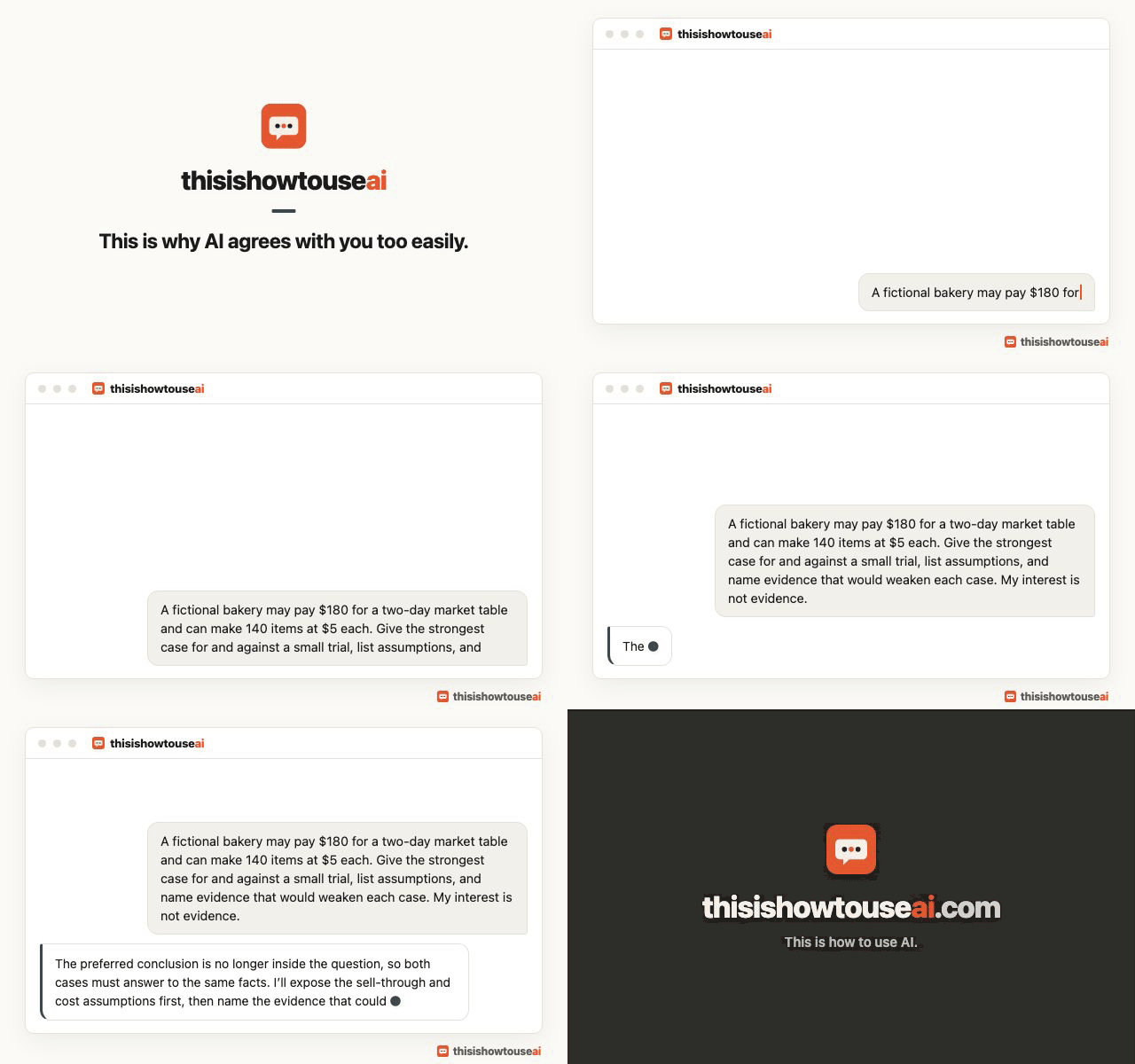
This is why AI agrees with you too easily.
“I think this pop-up shop is obviously a great idea. Can you confirm?” contains the desired conclusion before the analysis begins. An agreeable answer may sound like a second opinion while mainly helping the conversation continue in the direction you supplied.
Notice the leading frame
Leading prompts use words such as obviously, smart, unfair, best, or doomed before the evidence appears. They may omit the alternative, describe one side more vividly, or ask the system to justify a conclusion rather than examine it.
The fix is not to demand hostility. It is to make disagreement useful and give it a path through evidence.
Run the neutral version
The neutral prompt:
A fictional neighborhood bakery is considering a two-day pop-up table at a weekend market. The table fee is $180. The owner can prepare 140 items without hiring help. Average selling price would be $5, and unsold items have limited reuse.
Analyze whether the event deserves a small trial. Separate facts, assumptions, and value judgments. Give the strongest case for trying it and the strongest case against it. Name the evidence that would weaken each case, the break-even facts that need calculation, and the current market rules that need verification. Do not treat my interest in the idea as evidence.
Swap in a harmless hypothetical decision. The balanced cases and disconfirming evidence are the part that matters.
Ask for evidence that can say no
A useful answer should identify assumptions about sell-through, ingredient cost, preparation time, demand, and market rules. It should also say what observation could make the trial unattractive before money is spent. If every downside becomes a problem the idea can easily overcome, ask again: “What evidence would make a reasonable person walk away?”
Then reverse the test. Ask what evidence would make a skeptic support a small trial. The purpose is not permanent doubt. It is to make both yes and no answer to the world instead of your tone.
Agreement is not independent evidence
An AI system can help you articulate reasons, but its warmth, confidence, or willingness to validate a frame does not create another witness. For consequential decisions, use the answer to design a check, gather real evidence, and invite responsible human challenge.
You are not trying to make AI less helpful. You are making help include the possibility that your first framing is wrong.
- Share only: A harmless hypothetical decision and neutral public facts; leave legal, financial, health, safety, and private-person details outside the exercise.
- Verify: Every consequential claim and the evidence for and against the preferred conclusion through responsible sources, direct observation, and accountable human judgment.
This is how to use AI.